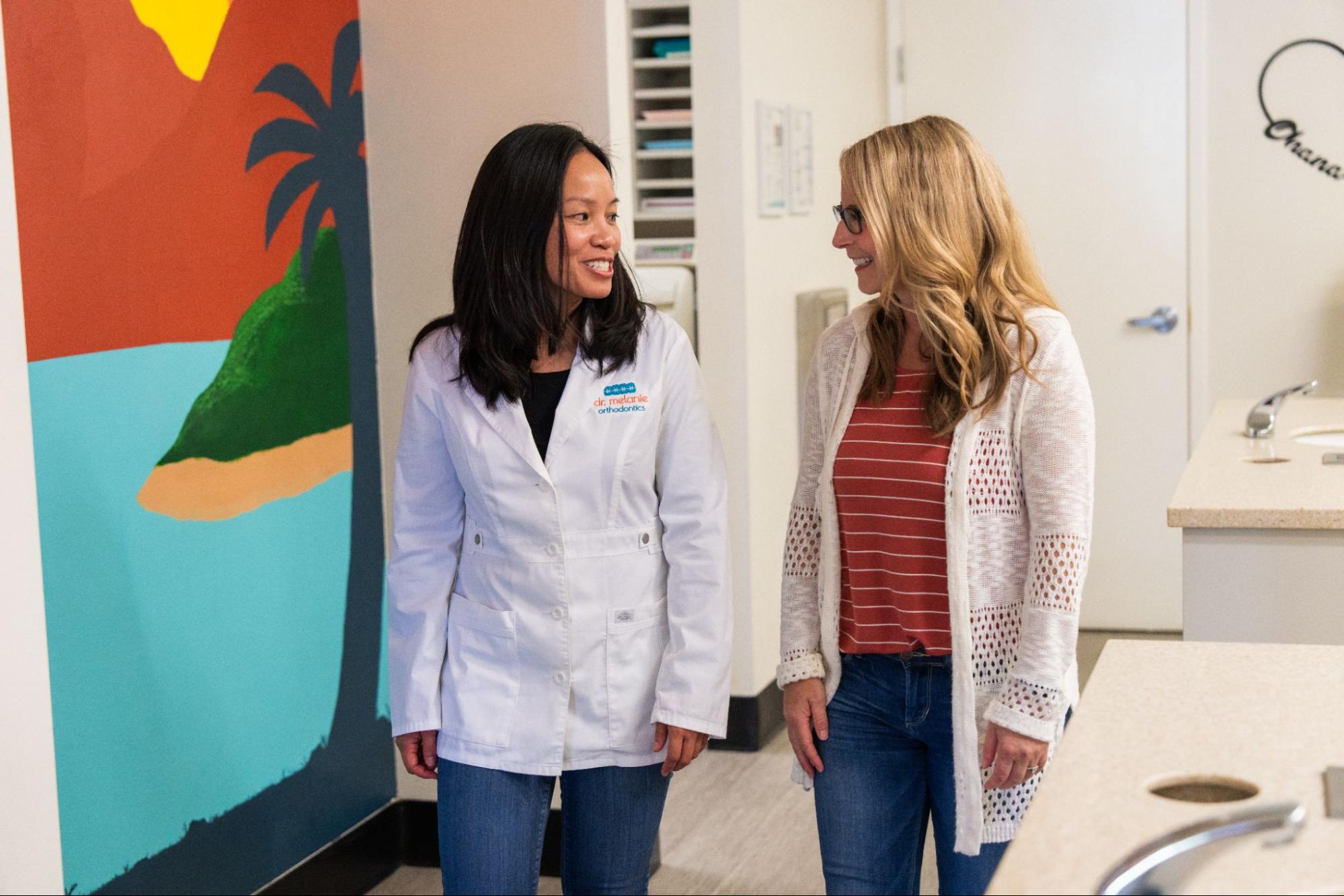
Thinking about braces in Rancho Santa Fe for your kiddo, your teen, or yourself? You’re in the right place. This family guide walks you through everything you need to know about braces, from how treatment works to when to start. At Dr. Melanie Orthodontics, we’ve been helping families find the right fit and creating beautiful smiles since 2007.

What Are Braces? A Quick Primer for Families
Braces are fixed orthodontic appliances made of brackets, wires, and bands that gently guide your teeth into better positions over time. They correct crowding, spacing, overbites, underbites, crossbites, and open bites, giving you a healthier bite and a smile you’ll love to show off.
Braces aren’t just for teens anymore. Kids, teens, and adults all benefit from treatment, though the goals look a little different for each age group. The American Association of Orthodontists recommends a first orthodontic evaluation by age 7, even if your child doesn’t need treatment right away. Early check-ins help Dr. Melanie keep tabs on jaw growth and tooth eruption.
Dr. Melanie Orthodontics is a resource families can lean on. Dr. Melanie Wang is a board-certified orthodontist who tailors every treatment plan to your family’s goals, timeline, and lifestyle. That means treatment that’s as custom as it gets, with options that fit real family routines.
How Braces Work: The Treatment Process Step by Step
The process is simpler than most families expect. Here’s what to expect from your first visit through the big reveal.
- Free Smile Assessment and digital records. Your first visit is all smiles, no pressure. Dr. Melanie reviews your goals and takes digital scans, low-dose digital X-rays, and photos to build a full picture of your bite.
- Custom treatment plan. Dr. Melanie Wang puts together a personalized treatment plan. For younger kiddos, this includes a recommendation on whether Phase 1 (early treatment) or Phase 2 (full alignment) is the right next step.
- Bracket and wire placement. This visit usually takes 60 to 90 minutes. Dr. Melanie bonds custom brackets to your teeth and threads the first wire. You’ll walk out with your new smile hardware in place.
- Adjustment visits every 4 to 8 weeks. Short check-ins let Dr. Melanie fine-tune the wires and keep your teeth moving on schedule. Most adjustments take 15 to 30 minutes.
- Removal and retainers. Once your teeth are where they should be, the brackets come off. You’ll transition to retainers to lock in your smile for the long haul.
Typical treatment length runs 12 to 30 months, depending on how complex your case is. Simpler spacing issues may wrap up faster, while bigger bite corrections take more time. Our team uses 3D printing and digital treatment planning to map out every step with precision.
Benefits of Braces for Kids, Teens, and Adults
Straight teeth do more than look great. They support long-term oral health, better function, and a confidence boost that shows up in school photos, work meetings, and everyday life. Here’s what families gain:
- Easier brushing and flossing. Straight teeth are simpler to clean, which lowers the risk of cavities and gum disease over time.
- Better chewing and digestion. A corrected bite means food gets chewed properly, which supports healthier digestion.
- Clearer speech. Alignment issues can affect how certain sounds come out. Braces often help with that.
- Less jaw strain. Fixing bite issues can reduce clenching, grinding, and TMJ discomfort down the road.
- Confidence during the big years. For school-age kids and teens, a straighter smile supports self-esteem through sports, performances, dances, and class pictures.
- Protection against future dental problems. Proper alignment reduces uneven tooth wear, chips, and the need for restorative work later in life.
- Early guidance for growing kiddos. Phase 1 treatment can shape jaw growth, create space for adult teeth, and sometimes avoid the need for extractions.
- Modern comfort for adults. Today’s braces are smaller, smoother, and more discreet than what you or your parents may remember. Adult patients often tell us treatment was much easier than they expected.
How do braces help with long-term oral health?
Straight teeth are easier to clean, which lowers the risk of cavities, gum inflammation, and decay between teeth. Even bite forces also protect enamel from uneven wear, which can lead to chips and fractures down the road. When teeth and jaws line up properly, you’ll see fewer dental surprises as the years go on.
Why do adults choose braces later in life?
Plenty of adults come in wanting to correct something they always wished had been fixed as a kid, or to address shifting that happened after years of wear. Modern braces are more discreet and comfortable than older versions, and treatment often takes less time than people expect. We’re in the self-esteem-boosting business, and we love watching our families light up at every reveal.
Types of Braces: Metal, Clear, and Aligner Comparison
Dr. Melanie Orthodontics offers several options so you can find the right fit. Each type has strengths, and Dr. Melanie will walk you through which option fits your goals and lifestyle best.
| Type of Braces | Appearance | Treatment Length | Best For |
|---|---|---|---|
| Traditional Metal Braces | Silver brackets and wires | 12–24 months | Kids, teens, complex cases |
| Clear Ceramic Braces | Tooth-colored brackets | 12–24 months | Teens and adults wanting discretion |
| Clear Aligners (TLC aligners) | Nearly invisible, removable trays | 6–18 months | Mild to moderate cases, adults, older teens |
Traditional metal braces are the workhorse of orthodontics. They’re the most durable option and handle even the most complex cases beautifully.
Clear ceramic braces use tooth-colored brackets that blend in. They’re a popular pick for teens and adults who want a lower profile.
TLC aligners are removable trays that shift teeth gradually. They’re great for mild to moderate alignment issues and let you eat and brush like normal.
Every option above is available at Dr. Melanie Orthodontics, and your free consultation includes a personalized recommendation from Dr. Melanie herself.
Is Your Child a Candidate? When to Start Orthodontic Care
Most parents ask the same question: when should we actually come in? Here’s a quick guide to timing and candidacy.
- Age 7 for the first evaluation. Even if treatment is years away, this visit lets Dr. Melanie keep tabs on your child’s growth and catch issues early.
- Signs your kiddo may need braces: crowded or crooked teeth, teeth coming in too early or too late, mouth breathing, thumb-sucking effects, jaw shifting, or trouble chewing.
- Phase 1 treatment (ages 7 to 10). Focuses on jaw development and making space for adult teeth. This can reduce the need for extractions later.
- Phase 2 treatment (ages 11 to 14). Handles full alignment once most permanent teeth have come in.
- Teens and adults are candidates any time. As long as your gums and bone are healthy, age isn’t a barrier.
- Special needs orthodontics. We welcome sensory-sensitive patients and families managing anxiety. Our team takes extra time to make every visit feel calm and predictable.
Our office sees families from all walks of life, and every treatment plan is built around what works for your household. If you’re wondering whether it’s time, a free Smile Assessment with Dr. Melanie is the easiest way to get real answers about your child’s growth and timing.

Frequently Asked Questions About Braces
What types of braces are available for children?
Kids and teens can choose from traditional metal braces, clear ceramic braces, or TLC aligners for appropriate cases. Metal braces remain the most common pick for growing patients because they handle complex bite corrections well. Dr. Melanie will recommend the best fit based on your child’s bite, age, and lifestyle.
At what age should my child get braces?
The American Association of Orthodontists recommends a first orthodontic evaluation by age 7. Actual braces treatment usually happens between ages 10 and 14, once most permanent teeth are in place. Some kids benefit from earlier Phase 1 treatment to guide jaw growth, which Dr. Melanie can assess at that first visit.
How long do braces take?
Most patients wear